

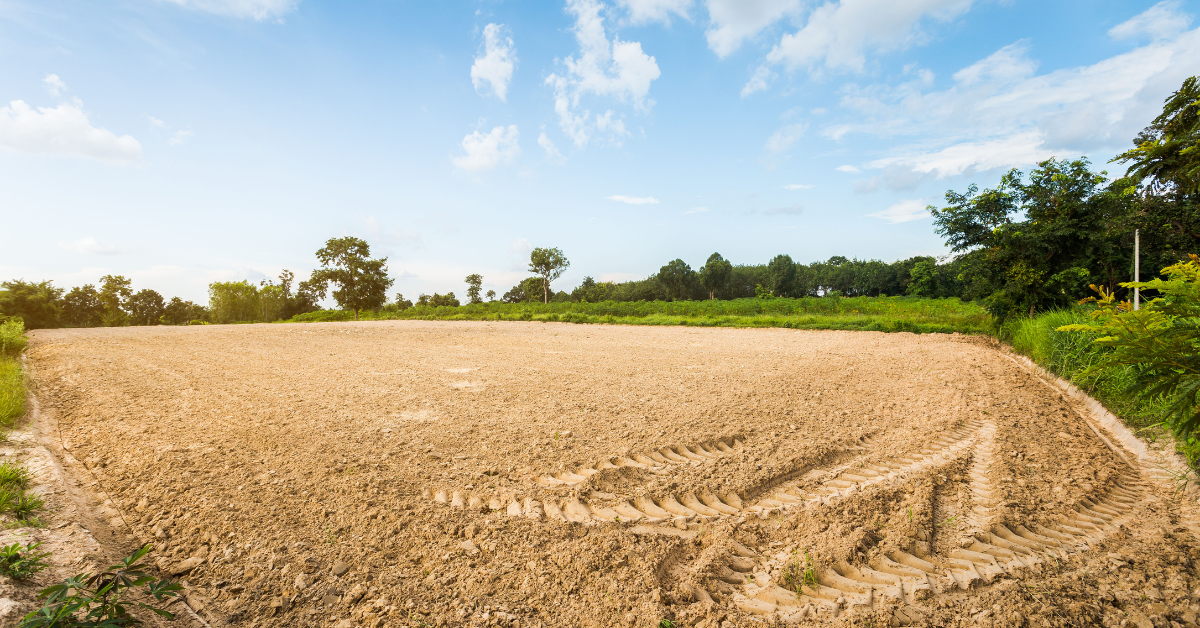
Buying land near Wilmington, North Carolina is an exciting first step. Whether you dream of building a custom home on your lot, adding an accessory dwelling unit (ADU) to an existing property, or investing in raw land for future development, But land purchases come with a layer of complexity that standard home purchases don’t. Before you sign anything, there are several critical factors to evaluate. Understanding them upfront can save you thousands of dollars, weeks of frustration, and the heartbreak of falling in love with a piece of land that can’t be built on.
At Eastern Construction Group, we work with homeowners and investors across the greater Wilmington area, including Leland, Hampstead, Surf City, and beyond, to help them navigate the land-buying process with confidence. Here’s what we tell every client who’s looking to build on their land.
1. Understand What You Want to Build Before You Buy
This sounds obvious, but it’s one of the most common mistakes buyers make: purchasing a piece of land without a clear picture of what they want to build on it. The type of structure you’re planning (a large custom home, a smaller custom ADU, a duplex, or a multi-family unit) will directly affect which lots are suitable and which aren’t.
For example, if you’re working with a custom ADU builder to add a detached guest house or income-producing unit on your property, you’ll need to confirm the local zoning supports that use. If you’re looking to build a custom home from the ground up, the minimum lot size requirements, setbacks, and footprint allowances all determine how much house you can actually build.
Before touring land, sketch out the basics: square footage you’re targeting, number of stories, garage needs, and any outdoor structures. That vision will help you (and your home builder) filter out unsuitable lots quickly.
2. Research Zoning and Future Land Use Plans
Zoning tells you what can legally be built on a parcel of land. In the greater Wilmington area, zoning is administered by the City of Wilmington, New Hanover County, Brunswick County, or Pender County, depending on the location of the property. Each jurisdiction has its own rules around:
- Permitted uses (single-family residential, multi-family, agricultural, commercial)
- Minimum lot sizes for construction
- Setback requirements from property lines, roads, and waterways
- Height restrictions
- Impervious surface ratios (how much of your lot can be “covered”)
Beyond current zoning, look into the area’s comprehensive land use or “general plan.” This document outlines what the municipality or county envisions for the surrounding area over the next 5 to 15 years. A quiet rural lot today could sit adjacent to a planned commercial corridor in five years. That context matters for both your quality of life and the long-term value of your investment.
Zoning staff at local planning departments are accustomed to answering questions from prospective buyers. Don’t hesitate to call before making an offer.
3. Check for Deed Restrictions and HOA Covenants
Zoning sets the floor for what’s allowed, but deed restrictions and homeowners association (HOA) covenants can raise that bar considerably. These are private restrictions placed on the property by developers or prior owners, and they run with the land regardless of who owns it.
Common deed restrictions include limits on the minimum square footage of any home built, prohibitions on certain building materials or architectural styles, restrictions on accessory structures and outbuildings, rules about fences, driveways, and landscaping, and restrictions on short-term rentals or home-based businesses.
If you’re buying land within a planned community or subdivision, request the full Covenants, Conditions & Restrictions (CC&Rs) document and read it carefully. A real estate attorney familiar with the Wilmington area can help you interpret any restrictions that might affect your plans to build a custom home on your lot.
4. Evaluate Utility Access and Infrastructure
Access to utilities is one of the most important and most overlooked factors when buying land. A lot without water, sewer, or electrical service isn’t necessarily a dealbreaker, but it will add significant cost and time to your project.
Water and Sewer
In developed areas of Wilmington and surrounding municipalities, lots are often connected to public water and sewer lines. In more rural or undeveloped areas, you may be looking at a private well and a septic system. Both are viable, but they come with different upfront costs and ongoing responsibilities.
If a septic system is required, the soil must pass a percolation (perc) test and receive approval from the local health department before construction can move forward. This is a non-negotiable step. No approval, no build.
Electrical and Gas
Confirm whether electrical service is already available at the road or if you’ll need to pay for an extension. In rural areas, bringing power to a remote parcel can cost tens of thousands of dollars depending on distance.
Road Access and Internet
Make sure the property has legal access to a public road. In rural areas especially, some parcels are only accessible over a neighbor’s land. Without a recorded easement granting right-of-way, your property is effectively landlocked. Also consider internet access, which is particularly important if you plan to work remotely from your new home.
5. Understand the Land’s Topography and Soil Conditions
Coastal North Carolina’s landscape is varied. From flat, sandy lots near the beach to wooded parcels with clay-heavy soils further inland, conditions vary widely and they directly affect your foundation options, site preparation costs, and overall construction budget.
Flat parcels are generally the most cost-effective to build on. Heavily wooded or sloped lots may require more clearing, grading, and drainage work. High water tables common in coastal areas can limit foundation options and may require engineered solutions.
A soil test or geotechnical investigation can reveal how much weight the ground can bear, which is critical information for foundation design. If you’re planning to build a custom home on your land, this is a step you should take before making a firm offer, not after. Getting bids for site work from an experienced custom builder before you close can give you a realistic picture of the true cost to build on that specific parcel.
6. Know the Flood Zone Status
Flood zone designation is a critical factor for any land near Wilmington and the Cape Fear coast. Properties in FEMA-designated Special Flood Hazard Areas (SFHAs) can still be built on, but they require additional planning and carry long-term cost implications.
Being in a flood zone can affect your finished floor elevation requirements, foundation and structural design, flood insurance premiums (which can be substantial), and future resale value and financing options.
Check FEMA’s flood maps early in the process and understand what flood zone designation the parcel carries. An experienced custom home builder familiar with coastal construction will help you understand what those designations mean in practical terms and what it will cost to build in compliance.
7. Identify Wetlands and Environmental Constraints
Coastal North Carolina is rich in wetlands, and those wetlands are heavily regulated. Even on a large lot, the actual buildable footprint can be significantly reduced by wetland boundaries, required buffers, and environmentally protected areas.
If you’re purchasing a raw land parcel, especially one with any wooded or low-lying areas, you may want to have a wetland delineation conducted before closing. This process identifies exactly which portions of the property are considered jurisdictional wetlands under state and federal law, and determines where you can actually build.
Endangered species habitat and riparian buffer zones can also limit where construction can occur, particularly near waterways. These aren’t deal-breakers in every case, but they must be understood before you assume a large lot gives you a large building footprint.
8. Get a Land Survey and Review the Title
A current land survey is essential for any land purchase. A survey clearly defines property lines and dimensions, identifies easements (like utility corridors or right-of-way strips), reveals any encroachments from neighboring structures, and maps out environmental features like wetlands and flood areas.
In tandem with a survey, conduct a thorough title search to confirm clean ownership and uncover any liens, claims, or encumbrances against the property. A real estate attorney is your best resource here. Title issues are far easier and cheaper to resolve before you close than after.
9. Understand How You’ll Finance the Land and the Build
Land financing works differently than traditional home financing, and many buyers are surprised to find that not all lenders handle vacant land loans. Interest rates are typically higher for raw land, and lenders generally require larger down payments, sometimes 20 to 50 percent depending on the parcel and the lender.
If you intend to build a custom home on your lot, a construction-to-permanent loan is often the most efficient financing path. This type of loan covers both the land purchase and the construction cost, converting to a traditional mortgage once the home is complete. To qualify, most lenders will want to see finalized building plans and a signed contract with a licensed general contractor.
If you’re paying cash for the land, you may be able to use your equity in that land as a down payment on a construction loan later. Work with a lender who has experience with land-and-build transactions in coastal North Carolina before you start writing offers.
10. Budget for More Than Just the Purchase Price
One of the most common mistakes land buyers make is treating the listing price as their total cost of acquisition. It rarely is. Before you finalize your budget, account for:
- Closing costs (typically 2–5% of the purchase price)
- Survey and title search fees
- Soil testing and environmental assessments
- Utility connection or extension costs
- Site clearing, grading, and drainage work
- Permit fees and tap fees for water/sewer
- Any required engineered foundations or fill
- HOA fees or development fees if applicable
Getting preliminary site work estimates from an experienced custom home builder before you make an offer can help you understand the true all-in cost of building on a specific parcel. At Eastern Construction Group, we regularly help prospective buyers evaluate land before they commit to a purchase. That early engagement often saves clients from costly surprises.
11. Use Contingencies to Protect Yourself
When making an offer on land, include contingencies that give you time to investigate the property’s true buildability. Common land purchase contingencies include financing approval, satisfactory soil testing and perc test results, zoning and permit verification, survey review, environmental assessment findings, and acceptable site work cost estimates.
A contingency allows you to walk away without forfeiting your earnest money if due diligence uncovers a problem. Your real estate agent and attorney can help you structure contingencies that give you adequate time to complete your investigations.
12. Work With a Builder Who Knows the Area
Buying land with the intent to build is fundamentally different from buying land as a speculative investment. When your goal is to build a custom home or to add a custom ADU on an existing property, involving a builder early in the land search process pays dividends.
An experienced local custom home builder understands the nuances of building in coastal North Carolina: which soil conditions require engineered slabs, how flood zone requirements affect framing and foundation height, where utility infrastructure is readily available, and which municipalities have longer permitting timelines. That knowledge helps you evaluate land more accurately and budget more precisely.
At Eastern Construction Group, we work with clients at every stage, from land evaluation through construction closeout. Whether you’re ready to build a custom home on your lot in Wilmington or you’re still searching for the right parcel, we can help you ask the right questions before you commit.
Ready to Build on Your Land Near Wilmington?
Whether you’ve already found a lot or you’re just beginning to explore, Eastern Construction Group is here to help. We’re custom builders serving Wilmington, Leland, Hampstead, Surf City, and surrounding coastal communities. From custom homes to custom ADUs, our team brings the experience and local knowledge you need to build with confidence.
Contact us today to discuss your project. We’d love to help you evaluate your land and bring your vision to life.