

Buying land feels like the first real step toward building your dream home. Whether the property is in Wilmington, Leland, Hampstead, or another coastal community, it may look perfect at first glance. But before plans are drawn and permits are submitted, one key question matters: Is the lot truly buildable?
If you plan to build on your lot in Wilmington, it’s important to know that even an ideal-looking homesite can come with hidden challenges. Here’s what determines whether a lot is ready for construction.
1. Zoning and Local Regulations
Zoning laws determine what can legally be built on a property. This includes:
- Property use (single-family, duplex, etc.)
- Minimum lot size
- Setback requirements
- Height limits
- Impervious surface allowances
In the Wilmington area, zoning is governed by the City of Wilmington or the applicable county, depending on the lot’s location. Confirming zoning compliance is one of the first steps in determining buildability.
2. Septic, Sewer, and Utilities
Access to utilities plays a major role in whether a lot is ready for construction.
Key factors include:
- Availability of public water and sewer
- Soil suitability for a septic system if sewer is not available
- Electrical access
- Stormwater management requirements
If a lot requires a septic system, the soil must pass a percolation test and receive approval from the local health department. Without septic approval, construction cannot move forward.
3. Flood Zones and Elevation Requirements
Flood zone designation is especially important in coastal North Carolina. A lot located in a FEMA-designated flood zone can still be buildable, but it may require:
- Elevated finished floor heights
- Engineered foundations
- Compliance with local floodplain regulations
Flood zone classification can impact construction methods and long-term insurance costs, so reviewing flood maps early is essential.
4. Soil Conditions and Drainage
Coastal soil conditions vary significantly. Sandy soils, clay content, and high water tables can all affect foundation design and site preparation.
Proper grading and drainage planning are critical to:
- Protect the foundation
- Prevent standing water
- Meet local stormwater requirements
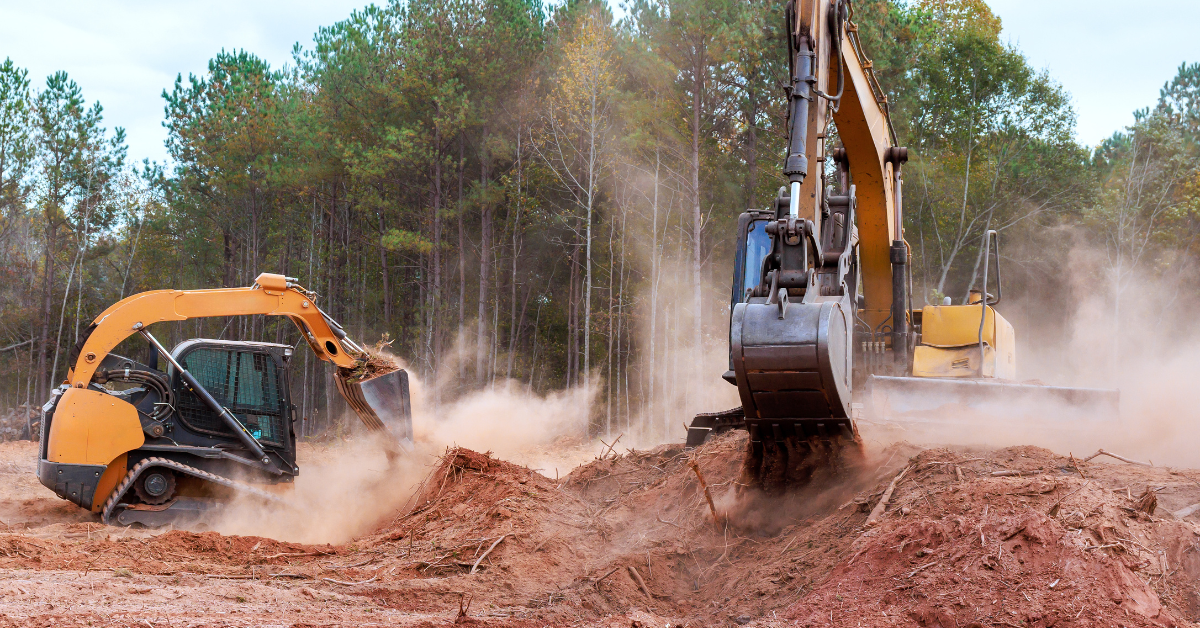
Some lots may require additional site work before construction begins.
5. Wetlands and Environmental Restrictions
A property may contain wetlands or environmentally protected areas that limit where construction can occur.
Even on larger lots, the actual “buildable area” may be reduced by:
- Wetland buffers
- Required setbacks
- Environmental permitting requirements
A survey and, in some cases, a wetland delineation are necessary to confirm the usable footprint of the home.
From Raw Land to Ready-to-Build
Evaluating a lot in coastal North Carolina can feel overwhelming at first. Between zoning regulations, septic approvals, flood zones, soil conditions, and environmental restrictions, there’s a lot to consider before construction ever begins. That’s where experience matters.
At Eastern Construction Group, building on your lot in the Wilmington area is a core part of what we do. We help clients evaluate land before they purchase it, and we help homeowners understand the full picture of property they already own. From identifying potential challenges to outlining realistic site preparation costs, our goal is simple: clarity before construction.
Every lot is different. Some are ready to move forward with minimal preparation. Others require thoughtful planning and coordination. The key is knowing what you’re working with early in the process.
If you’re considering building on your lot in Wilmington or the surrounding coastal communities, we’re here to guide you from raw land to a finished home with confidence.